ample on-site parking available


Why Your Teeth Feel Sensitive During Cleanings and What We Do to Stop It

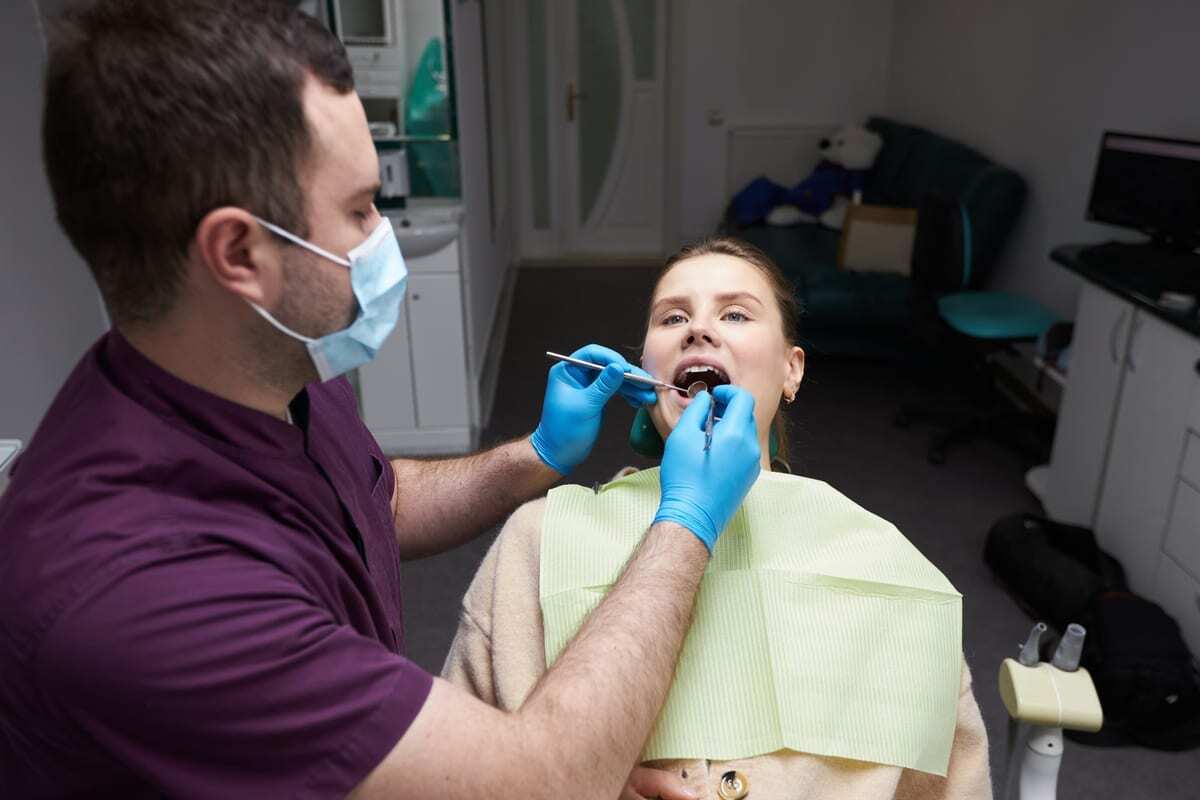
If your teeth feel sensitive during cleanings, you are not alone. Many patients at Mill Ridge Family Dental in Milton, ON share this concern. Understanding why your teeth feel sensitive during cleanings and what we do to stop it in Milton helps ease anxiety before your next visit. Dr. Sinan Al-Rubaye and our hygiene team work hard to make every appointment as comfortable as possible.
Why Do Teeth Feel Sensitive During Dental Cleanings?
Sensitivity during a cleaning usually has a clear cause. The most common reason is exposed dentin — the layer beneath your tooth enamel. When gum tissue recedes or enamel wears down, dentin becomes vulnerable to pressure and temperature changes.
Plaque and tartar buildup can also make your gums inflamed. Inflamed gum tissue is more sensitive to touch. That means even gentle scaling can feel uncomfortable near the gumline.
Teeth that already have small cracks or worn enamel react more strongly to metal instruments. Dehydration and dry mouth can also heighten sensitivity. These factors combine to make some cleanings feel more intense than others.
- Exposed dentin from gum recession or enamel wear
- Inflamed or irritated gum tissue from plaque buildup
- Existing hairline cracks in teeth
- Dry mouth or dehydration on the day of your visit
- Skipping regular cleanings, which allows tartar to harden
What Our Milton Hygiene Team Does to Minimize Sensitivity
Our hygienists at Mill Ridge Family Dental use a careful, patient-centred approach. Before starting, they ask about any areas that tend to bother you. That information shapes how they approach your cleaning from the very first instrument.
We use ultrasonic scalers and hand tools. Ultrasonic scalers use vibration and water to break apart tartar gently. This method is often more comfortable than manual scraping alone, especially around sensitive gumlines.
We also apply topical numbing gel to sensitive spots when needed. This simple step reduces discomfort significantly. Our team moves slowly and takes breaks whenever a patient needs a moment to breathe and reset.
- Gentle ultrasonic scaling to loosen tartar with less pressure
- Topical anaesthetic gel applied to sensitive gum areas
- Slower, more deliberate technique around recession sites
- Frequent check-ins during the appointment
- Adjusting water temperature to cool or warm as needed
Sedation Options and Extra Support for Anxious Patients in Milton
Some patients feel nervous about discomfort before they even sit in the chair. Dental anxiety is real and completely valid. At Mill Ridge Family Dental, we never dismiss those feelings.
For patients who need extra support, we offer Sedation Dentistry Milton. Sedation helps you stay calm and comfortable throughout the entire cleaning. It works well for people with high sensitivity, strong gag reflexes, or significant anxiety.
Sedation does not mean you are unconscious. Most options keep you relaxed and responsive but free from tension. After the appointment, many sedation patients report that they barely noticed the cleaning at all.
If a painful tooth reaction ever signals something more serious, our team is also equipped to handle urgent situations. We provide Emergency Dentistry Milton for situations that need same-day attention.
How to Reduce Sensitivity Before and After Your Cleaning
There are steps you can take at home to manage sensitivity. Starting a desensitizing toothpaste two weeks before your appointment makes a real difference. These toothpastes block the tiny channels in dentin that transmit pain signals.
Staying hydrated on the day of your visit helps too. A dry mouth amplifies sensitivity, so drink plenty of water in the hours before your appointment. Avoid acidic drinks like coffee or juice right before you arrive.
After your cleaning, avoid very hot or cold foods for a few hours. Your gums may feel slightly tender, and that is normal. Over-the-counter pain relief can help if discomfort lingers, but it usually fades within a day.
Keeping up with regular six-month cleanings is the single best prevention strategy. The less tartar that builds up, the less aggressive each cleaning needs to be. Routine visits at Mill Ridge Family Dental in Milton keep sensitivity manageable over time.
When Sensitivity During Cleanings Points to a Deeper Problem
Sometimes sensitivity during a cleaning is a warning sign. If you feel sharp, lingering pain in one specific tooth, that could indicate decay or a cracked tooth beneath the surface. Our team pays attention to these reactions during your visit.
Gum disease is another common cause of increased sensitivity. When gums pull away from teeth due to infection, root surfaces become exposed. Root surfaces have no enamel protection, so they feel every sensation acutely.
Dr. Al-Rubaye will assess your gum health at each visit. If early signs of gum disease appear, we address them promptly with gum disease treatment. Catching it early prevents the deeper sensitivity and bone loss that untreated gum disease causes.
The goal is always to identify the root cause, not just manage symptoms. Once the underlying issue is treated, cleanings become far more comfortable over time.
Conclusion
Tooth sensitivity during a cleaning is common, but it does not have to stop you from getting the care you need. At Mill Ridge Family Dental, Dr. Sinan Al-Rubaye and our team in Milton, ON use gentle techniques, topical numbing, and honest communication to keep every cleaning as comfortable as possible. You deserve a dental visit that feels safe and supported. Book Now to schedule your appointment with our team.
Frequently Asked Questions
Is it normal for teeth to hurt during a professional cleaning?
Yes, mild sensitivity during a cleaning is very common. It usually happens because of gum inflammation, tartar buildup, or exposed dentin. The sensation is temporary and typically fades within a day after your appointment.
Can I ask my hygienist to stop if the sensitivity feels too strong?
Absolutely. Our hygienists at Mill Ridge Family Dental encourage you to signal them at any point. We take breaks, adjust our technique, or apply numbing gel to make the experience more manageable for you.
Will my teeth feel sensitive after every cleaning?
Not necessarily. Patients who attend regular cleanings every six months tend to experience much less discomfort over time. Less tartar buildup means less aggressive scaling, which reduces the intensity of any sensitivity you feel.
Does desensitizing toothpaste actually help before a dental cleaning?
Yes, using a desensitizing toothpaste for two weeks before your appointment can noticeably reduce sensitivity. These toothpastes contain compounds that block pain signals from reaching the nerve inside your tooth.
What if my sensitivity during a cleaning is in one specific tooth?
Localized sensitivity in a single tooth may indicate decay, a crack, or an exposed root. Our team monitors these reactions during your visit. Dr. Al-Rubaye will recommend further evaluation if one tooth reacts more strongly than expected.
Related Articles


We Offer Free Consultations & Second Opinions