ample on-site parking available


When Should Your Child See an Orthodontist: Early Signs Parents Miss

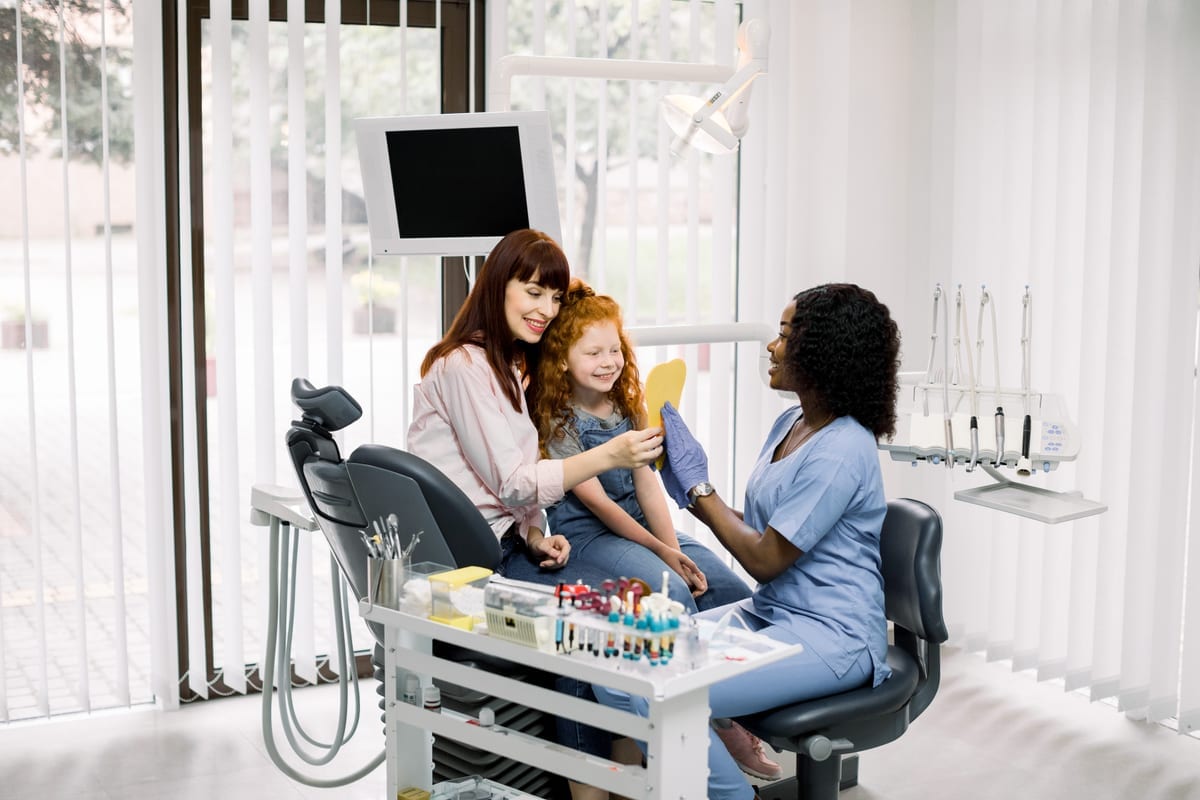
Many Milton parents assume orthodontic treatment starts in the early teen years. But knowing when should your child see an orthodontist — and spotting early signs parents miss in Milton — can make a big difference in your child’s outcome. Early evaluation allows for timely intervention. It can also simplify or even shorten future treatment.
At Mill Ridge Family Dental, Dr. Sinan Al-Rubaye helps Milton families understand the full picture of their child’s dental development. While orthodontic treatment itself is a separate specialty, our team plays a key role in recognizing early warning signs. We help parents know when to act and who to see next.
What Age Should Children Have Their First Orthodontic Evaluation in Milton?
The American Association of Orthodontists recommends a child’s first orthodontic evaluation by age seven. This surprises many parents. At this age, a child has a mix of baby and permanent teeth — enough to assess jaw development and bite patterns.
Early evaluation does not always mean early treatment. In many cases, the orthodontist simply monitors the child over time. But catching problems early creates more options. Some issues are much easier to correct before the jaw finishes growing.
In Milton, many families first hear about this recommendation during a regular dental checkup. That is exactly why routine pediatric dental visits matter so much. Your dentist sees changes over time and can flag concerns before they become complicated.
Early Signs Parents Can Spot at Home
You do not need a dental degree to notice certain warning signs. Parents who know what to look for can bring concerns to their dentist early. Here are some common signs that a child may benefit from an orthodontic evaluation:
- Losing baby teeth too early or too late
- Difficulty biting or chewing food properly
- Mouth breathing, especially during sleep
- Thumb sucking or pacifier use beyond age four
- Teeth that appear crooked, crowded, or widely spaced
- Jaws that shift, click, or make noises when opening
- Front teeth that don’t meet properly when biting
Any one of these signs deserves attention. They do not automatically mean your child needs braces. But they do signal that a professional evaluation is worthwhile. Bring these observations up at your child’s next dental visit.
What a Phase 1 Orthodontic Evaluation Looks For
A Phase 1 evaluation — sometimes called interceptive orthodontics — happens between ages six and ten. It targets specific developmental problems while the jaw is still growing. This timing gives orthodontists a unique window of opportunity.
During this evaluation, the orthodontist assesses several important factors:
- Jaw alignment: Is the upper jaw too narrow or the lower jaw too far forward?
- Bite issues: Does the child have an underbite, crossbite, or open bite?
- Crowding: Is there enough space for permanent teeth to emerge properly?
- Symmetry: Is the midline of the teeth centered with the face?
- Habits: Are oral habits affecting jaw development?
Phase 1 treatment might include a palate expander, a partial set of braces, or a retainer. These tools guide jaw growth before it’s complete. Addressing problems now can reduce the complexity of Phase 2 treatment later.
Not every child needs Phase 1 intervention. A good orthodontist will be honest about whether treatment is needed right away. Sometimes watchful waiting is the right answer.
How Milton Parents Can Prepare for the Orthodontic Conversation
Starting the orthodontic conversation early is always better than waiting until problems are obvious. Your child’s regular dental visits are the best opportunity to raise questions. Ask your dentist what they see in terms of jaw development and tooth alignment at each checkup.
If your child experiences any of the following, bring it up right away:
- Snoring or disrupted sleep that may relate to airway issues
- Speech difficulties that have lasted beyond typical developmental stages
- Teeth grinding at night — a Sedation Dentistry Milton referral may also come up during certain dental procedures
- Visible crowding as permanent teeth begin to arrive
- A jaw that looks noticeably asymmetrical in profile
Dr. Al-Rubaye takes a thorough approach to pediatric dental assessments at Mill Ridge Family Dental. When signs of misalignment appear, we discuss next steps clearly. We help families understand what referrals mean and what to expect from an orthodontic consultation.
If your child ever has a dental emergency alongside developmental concerns, our Emergency Dentistry Milton services are here to support your family. Prompt care protects developing teeth and preserves space for incoming permanent ones.
Why Early Action Matters for Milton Families
Timing is everything in orthodontics. The jaw grows rapidly in childhood and slows significantly by the early teen years. Treatments that work beautifully at age eight may require surgery at age seventeen. Early evaluation protects your child’s options.
Parents sometimes worry that evaluating early leads to unnecessary treatment. In reality, the opposite is more common. Early evaluation often reveals that no treatment is needed yet. It simply gives your family a baseline and a plan.
Children who receive timely orthodontic guidance often have better oral hygiene outcomes too. Straighter teeth are easier to clean. Properly aligned bites reduce wear and jaw strain over time. The benefits extend well beyond aesthetics.
If you are a Milton parent wondering whether your child should see an orthodontist, the short answer is: ask your dentist now. Early awareness puts you ahead of the curve. It gives your child the best foundation for a healthy, confident smile. Book Now to schedule your appointment with our team.
Frequently Asked Questions
At what age should my child first see an orthodontist?
Most orthodontic associations recommend a first evaluation by age seven. At this age, a child has enough permanent teeth for an orthodontist to assess jaw development and bite alignment. Early evaluation does not always lead to immediate treatment, but it helps identify potential problems early.
What are the most common early orthodontic problems in children?
Common early issues include crossbites, underbites, severe crowding, and open bites. Habits like prolonged thumb sucking or mouth breathing can also affect jaw and tooth development. Catching these issues during growth makes correction easier and often less invasive.
Can my family dentist in Milton identify orthodontic problems?
Yes. Your family dentist monitors tooth eruption, jaw development, and bite alignment at every checkup. Dentists like Dr. Al-Rubaye at Mill Ridge Family Dental are trained to recognize early warning signs and can refer you to an orthodontist when appropriate.
What is Phase 1 orthodontic treatment?
Phase 1 treatment — also called interceptive orthodontics — addresses specific jaw and bite problems while a child is still growing, typically between ages six and ten. It may involve expanders, partial braces, or retainers. The goal is to guide jaw development and reduce the complexity of later treatment.
Does my child definitely need braces if they see an orthodontist early?
Not necessarily. Many children who have an early evaluation simply need monitoring. An orthodontist will recommend treatment only when there is a clear benefit to acting during growth. Early evaluation expands your options — it does not automatically commit your child to braces.
Related Articles

We Offer Free Consultations & Second Opinions